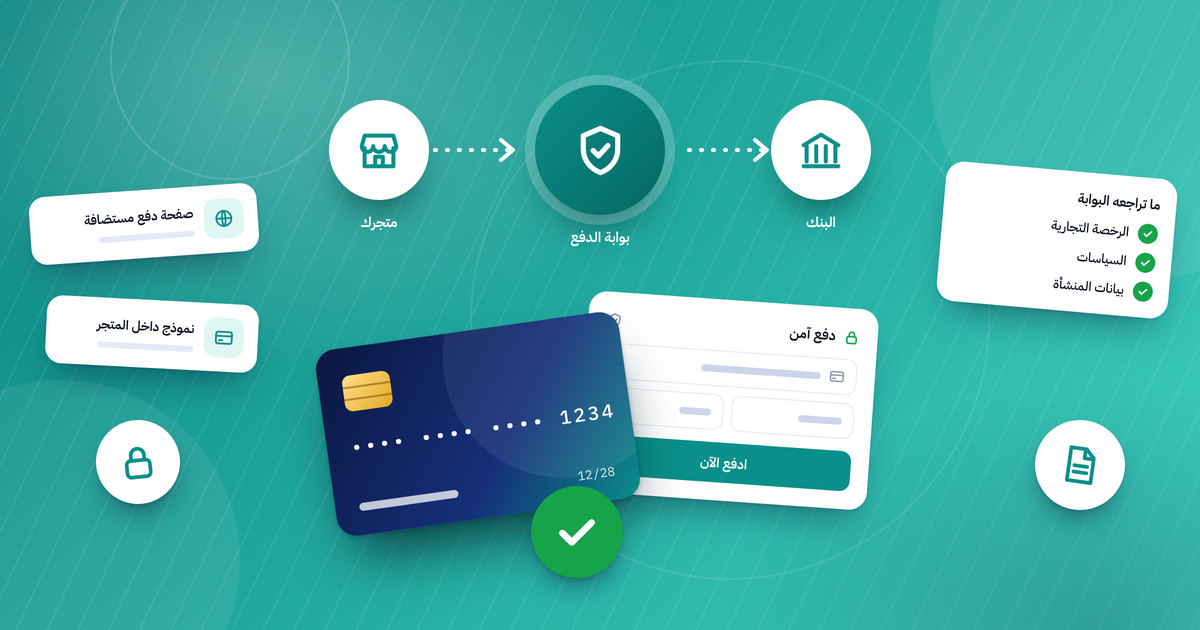
A payment gateway is the party that receives your customer’s card details, verifies them with their bank, then transfers the amount to your account. Before it agrees to do that for you, it wants to know who you are and what you sell.
What does the gateway ask for?
Requirements differ from one provider to another, but they usually revolve around four things:
- A valid trade licence whose activity covers what you actually sell.
- A bank account in the business’s name to receive settlements.
- IDs of the owner and authorised signatories.
- A working website with enough on it to understand your business.
Why does the gateway review my website?
Because your website is what the cardholder sees before paying. The reviewer looks for:
- A clear description of what you sell, at what price and in which currency.
- Terms and conditions.
- A refund and cancellation policy.
- A privacy policy.
- A delivery or shipping policy.
- The business details and contact methods.
A missing page from this list, or a copied policy that doesn’t match your business, is among the most common reasons approval is delayed. Prepare them before applying, not after the first comment.
How long does approval take?
There’s no fixed number. The time depends on how complete your documents are and on the provider’s and the bank’s review. What’s in your hands:
- Submit complete documents the first time, with clear, valid copies.
- Make the activity written in the application match the licence and the website.
- Reply to the reviewer’s questions the same day.
An external page or a form inside the store?
There are two common ways to present payment:
| Method | How it works | When it suits |
|---|---|---|
| Hosted payment page | The customer goes to the gateway’s page, then comes back | The fastest to implement, with fewer security requirements on you |
| In-page form | The card fields appear in your store, managed by the gateway | A smoother experience; the customer never leaves your site |
In both cases the card details never pass through or get stored on your server. And that’s how it should be: storing card data puts heavy security requirements on you that an ordinary store doesn’t need.
3-D Secure verification
3-D Secure is the step where the bank confirms the payment with the cardholder through a code or their banking app. It reduces fraudulent payments and chargebacks against you, so keep it switched on.
Test before going live
Every gateway offers a test mode with test keys and test cards. Try four scenarios in it, not one:
- A successful payment.
- A declined card.
- A customer closing the page at the verification code.
- A customer who pays, then loses their connection before returning to your store.
The fourth case is the one that exposes a weak integration. The order must become “paid” based on confirmation from the gateway’s server, not because the browser returned to the success page.
Currency and cards issued abroad
Price in dirhams if your customers are inside the UAE. A holder of a foreign card pays in dirhams and their bank converts the currency at its own rates. And ask your provider about the commission on international cards — it may differ from local ones.
Questions to ask the provider before signing
- What is the commission rate and the fixed fee, and do they differ for cards issued abroad?
- When are settlements transferred to my account?
- What is the maximum for a single transaction?
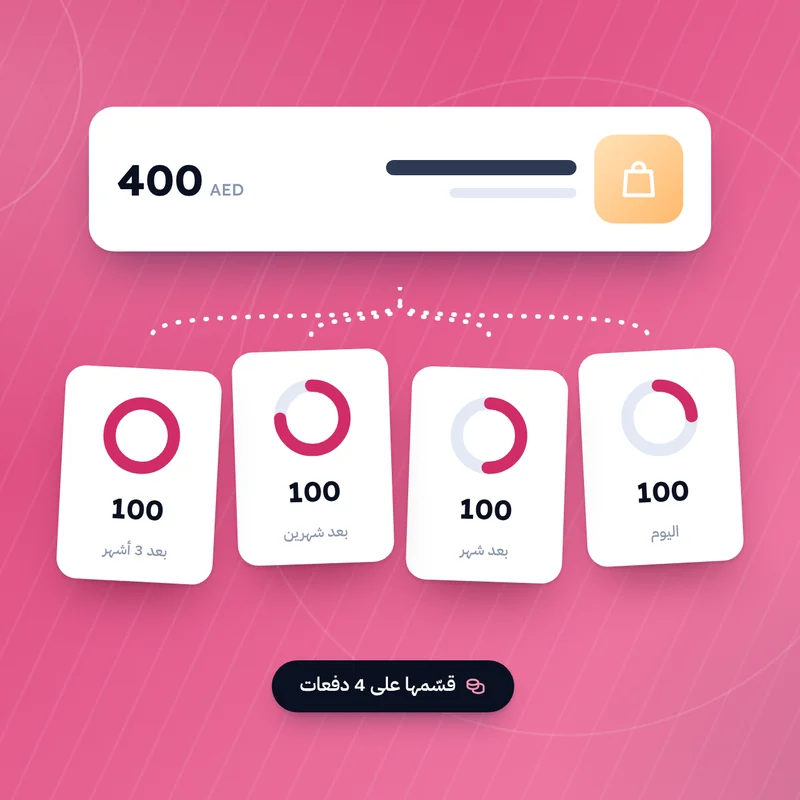
- Are digital wallets and instalments available, and on what terms?
- How are refunds carried out, and who bears their fees?
Chargebacks
A cardholder can dispute a payment with their bank. What protects you is evidence:
- A recorded acceptance of the terms and refund policy before payment.
- Proof that the service or product was delivered.
- Your correspondence with the customer.
Bank transfer as a second option
Some customers, especially companies and those paying large amounts, prefer a transfer. Show the account details with a reference number for the order, and confirm the order once the amount has actually arrived — not on the strength of a photo of the receipt.
Quick questions
Can I receive payments into my personal account?
Gateways usually require a bank account in the name of the licensed business.
Do I need an SSL certificate?
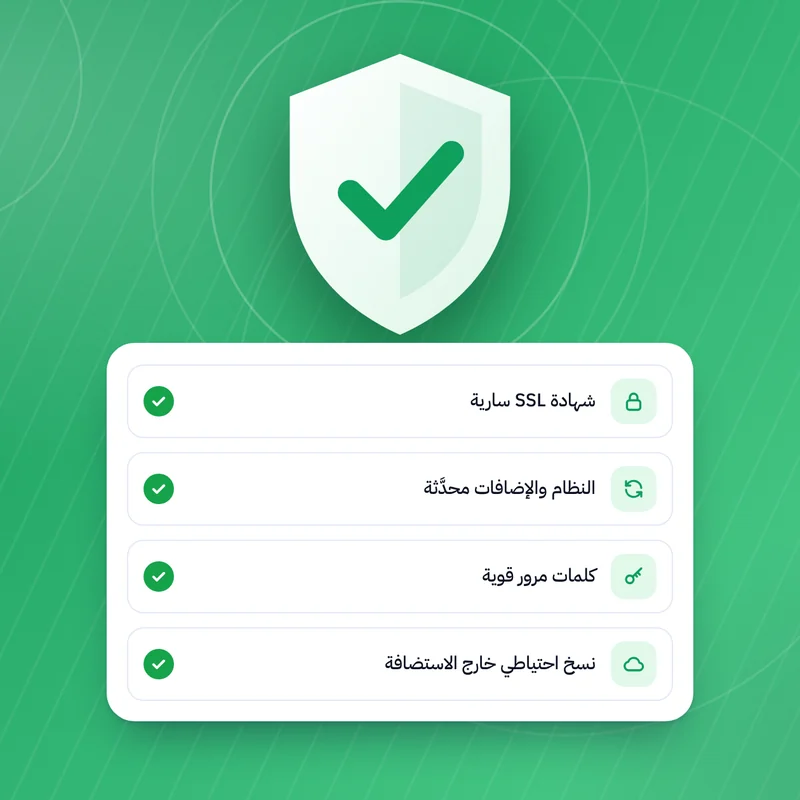
Yes. An encrypted connection is a basic requirement for any payment page.
Should I add more than one gateway?
You can, but start with one that works well. Several similar options confuse the customer.
What is the store designer’s role?
The technical integration, testing payments until they succeed, and preparing the policy pages. Accepting your application, and how long that takes, is up to the gateway. The service: Online Payment Gateway Set-up & Activation, and quick answers in the knowledge base.
Need what you just read put into practice?
Our prices are published: packages for every project size, and stand-alone services you can order on their own.